
People judge us by how neat we look, before a single word is spoken. And the most dangerous impression you can leave is the impression of someone who simply doesn’t care.
Yes, society’s bar for “acceptable” appearance is dropping. But that doesn’t mean the business world has stopped factoring it in. Here, neatness still works as a marker of your fitness — a quiet signal of whether you can be trusted with serious, responsible work.
”But I’ve seen a top manager in a wrinkled T-shirt”
Fair objection, and I won’t argue: it happens. But the question isn’t what’s possible — it’s what increases your odds of reaching a top position.
Once you’re already at the top, you can dress however you like; your life barely depends on other people’s assessment. But while your career is still gaining momentum, it’s a different story. In that phase, your manager is asking very concrete questions:
- Can I trust this person with a serious client?
- Are they right for this role?
- Will they show up to an important meeting in a pilled, fuzzy sweater?
The same goes for internal promotion. How will this person manage a team? How will they present themselves and their people? Here, neatness isn’t about aesthetics. It’s about trust.

Online is also part of how you look
A separate word on video-call backgrounds: today they’re a full part of how you’re seen.
I once interviewed a candidate for head of analytics — a PhD in mathematics, by every sign a brilliant specialist. But he sat against a couch with obvious huge holes in it (a cat’s work, most likely). There were stray cups on the table in frame, and the room itself made clear that no acceptable call background was going to materialize there tomorrow either.
None of this has anything to do with his hard skills. But as a manager I was thinking about something else. What happens when I introduce him to the team — will my people notice those holes in the couch, and what impression will that leave? How will this person negotiate rates with my fifteen contractors? And how will they see the company afterward?
That’s the real cost of a sloppy background: it’s paid not in your skills, but in other people’s trust — in you, and in the company you represent.
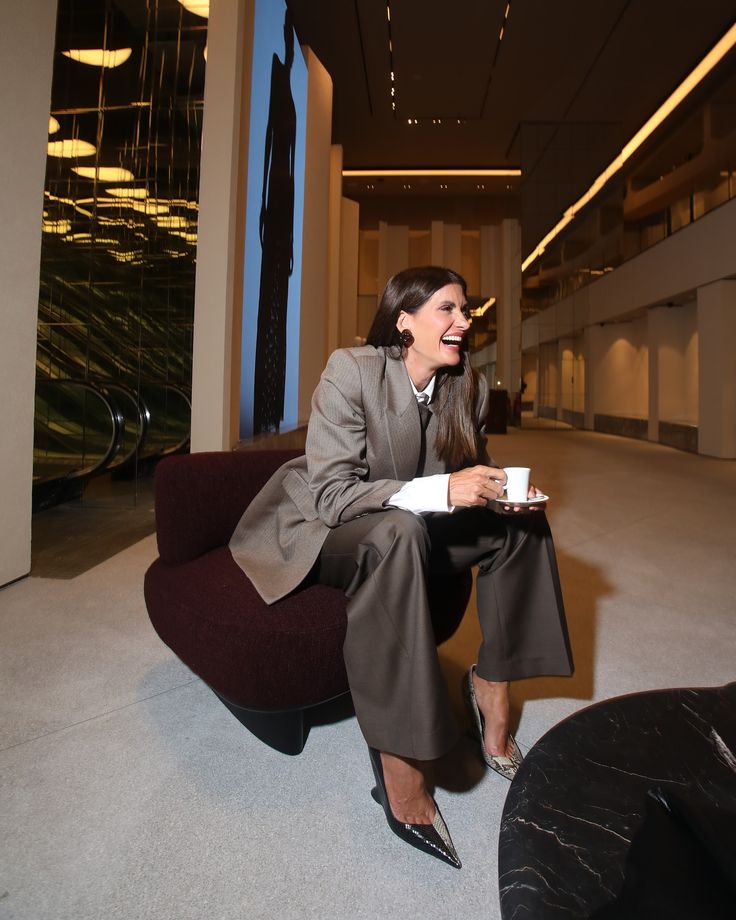
The truth no one likes to admit
I discuss this regularly with colleagues in business. Many of them sincerely try to move away from lookism and judging by appearance. But the truth is that you can’t opt out of it entirely — we read neatness automatically, and the professional world is no exception.

The takeaway
So be neat. Make sure you look put-together at work — including online. It’s the cheapest, fastest way to stop costing yourself points exactly where they’re easiest to keep.